A personal training package is a bundle of coaching sold at one price: a set number of sessions, or a monthly level of support. The best packages sell a result over time, not a number of sessions. Build around a monthly commitment, offer two or three clear tiers, and price from your target income and capacity.
Key Takeaways
• Monthly packages create steadier income than session packs, and keep clients long enough to see progress.
• Offer 2–3 tiers, each adding one clear layer of support.
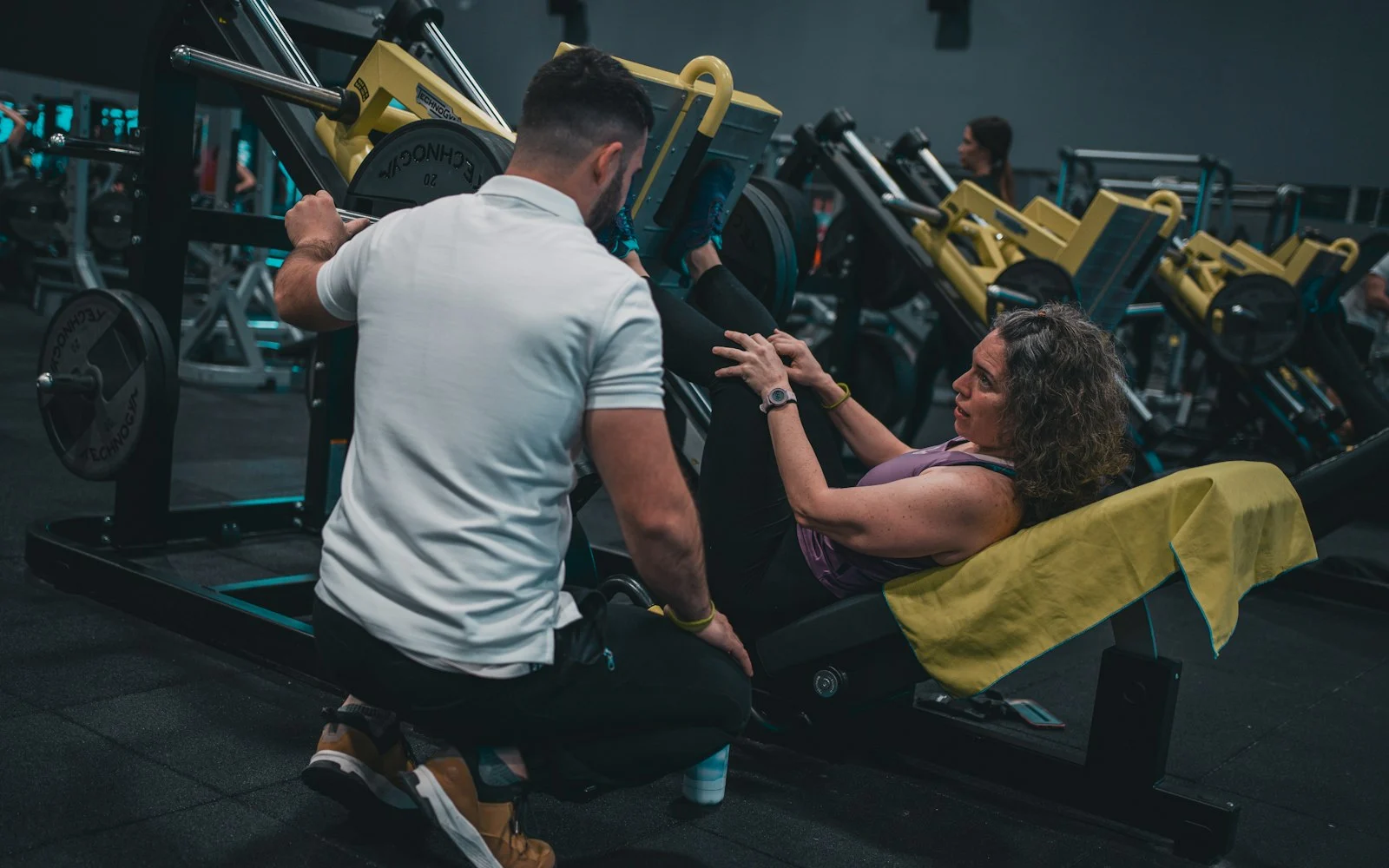
• In research, supervised training led to bigger strength gains than the same program done alone. In-person time is worth pricing higher.
• Training each muscle twice a week builds more muscle than once, so even a once-a-week client needs a program for a second session.
• Price from your target monthly income and the hours each client takes, then check it against your local market.
Session packs vs monthly packages
There are two basic models, and most trainers end up using both.
A session pack is a fixed number of sessions paid up front, for example 10 sessions used within 12 weeks. Packs are easy to understand and easy to sell. The downside: income is lumpy, clients often stop when the pack runs out, and a pack frames your service as hours rather than results.
A monthly package is ongoing coaching billed every month, for example two sessions a week plus programming. It turns training into a relationship. Income is predictable, and clients stay long enough to see real progress. The downside is that you need to explain clearly what's included each month.
A good setup is a monthly package as your main offer. Add a small session pack or an intro offer as a low-risk way to start.
What to put in each tier
Keep tiers simple: each one adds a clear layer of support. A common three-tier structure looks like this.
Tier | What's included | Your hours per client per month (example) |
|---|---|---|
Online coaching | A program updated every 4–6 weeks, nutrition targets, a weekly check-in and messaging. | About 1.5 |
Hybrid | Everything in online, plus two in-person sessions a month for technique and assessments. | About 3.5 |
In-person | Two sessions a week, a program for the days in between, and the same weekly check-in. | About 10 |
Some trainers add a premium tier with daily messaging or meal-plan support. Only add it if clients actually ask for it.
Small-group training is a session shared by 2–4 clients. It lowers the price per client while raising your hourly rate, so it works well as a fourth option for clients priced out of one-to-one training.
What the research says about in-person time
Two lines of research can shape how you design and price your tiers.
Supervision changes results. In a 12-week trial, moderately trained men followed the same program, either supervised by a personal trainer or on their own. The supervised group used heavier loads, progressed faster, and ended with a greater squat and bench press 1RM (Mazzetti et al., 2000, Medicine & Science in Sports & Exercise). It was a small study, with 18 men across the two groups, so treat it as a signal rather than a precise number.
A meta-analysis of 11 studies in adults aged 65 and over found the same direction. Supervised training improved strength and power more than unsupervised programs did (Lacroix et al., 2017, Sports Medicine). The gap was largest against fully unsupervised programs. Programs that added just a few supervised sessions closed much of it.
That second finding is the case for a hybrid tier. A few in-person sessions add a lot of value to an online program, at a fraction of the hours of full in-person coaching. The studies are on young men and older adults, not your exact clients, but the pattern is consistent.
Frequency matters too. A meta-analysis found that training each muscle group twice a week produced more muscle growth than once a week, with the same total volume (Schoenfeld et al., 2016, Sports Medicine). If a client only sees you once a week, include a written program for at least one more session. Otherwise you're selling them half a training week.
How to price your packages
Start from what you need to earn, not from what other trainers charge.
- Set a monthly income target, after tax and business costs.
- Estimate the hours each client takes per month in each tier: sessions, programming, check-ins, messages and travel.
- Decide how many hours a month you'll work. Be honest about admin, travel and rest.
- Work out your hourly target. Divide your income target by your working hours.
- Price each tier at its hours per client, multiplied by your hourly target.
- Check the market. Compare with trainers in your area and niche. If you're well below, raise the price. If you're well above, make the extra value obvious.
Worked example. A trainer wants $6,000 a month before tax and will work 60 hours a month. That's a target of $100 an hour. Using the hours in the table above:
- Online at 1.5 hours a month is $150, and 40 online clients fill the month.
- Hybrid at 3.5 hours is $350 a month.
- In-person at about 10 hours is $1,000 a month.
The numbers are an example, but the method works with yours. If a check-in takes 3 hours a month instead of 1.5, the online price doubles to $300. Faster check-ins directly raise what you can earn.
Make the package easy to buy
- Name each tier by the result or format, not "Gold" and "Platinum".
- List what happens each week, not a list of features.
- Show a minimum commitment if you need one, for example 3 months, and explain why: results take time.
- Take payment automatically each month, so you never chase invoices. Tell clients up front when they'll be charged and how to cancel.
- Start with a health screen. A PAR-Q+ form at sign-up protects you and the client before the first session.
Run packages without the admin
Packages only work if delivering them is consistent. In TrainBlock, launching in January 2027, every client will get their program on their phone, nutrition targets and a weekly check-in. You'll take client payments for monthly coaching or one-off packages through Stripe. Join the waitlist: the first 100 coaches get 6 months free.
If you're moving clients online for the first time, read how to become an online personal trainer. To fit more work into each in-person hour, see our guide to supersets.
Frequently asked questions
What should a personal training package include?
At minimum: a set number of sessions or check-ins per month, a training program, and a way to message you. Most monthly packages also include nutrition targets and progress tracking.
Should I offer discounts for buying more sessions?
A small discount for a longer commitment is common and reasonable. Avoid deep discounts on large session packs: they lock in a low hourly rate for months.
How do I raise prices for existing clients?
Give notice, and explain what's changed, such as more support, better results or higher costs. Consider keeping long-term clients on their current price for a few months.
Are online packages cheaper than in-person?
Usually yes per client, because they take fewer of your hours. But you can coach more online clients, so online income can match or beat in-person income.
Editorial note
Every study cited in this guide was fact-checked against its original source on October 17, 2026.